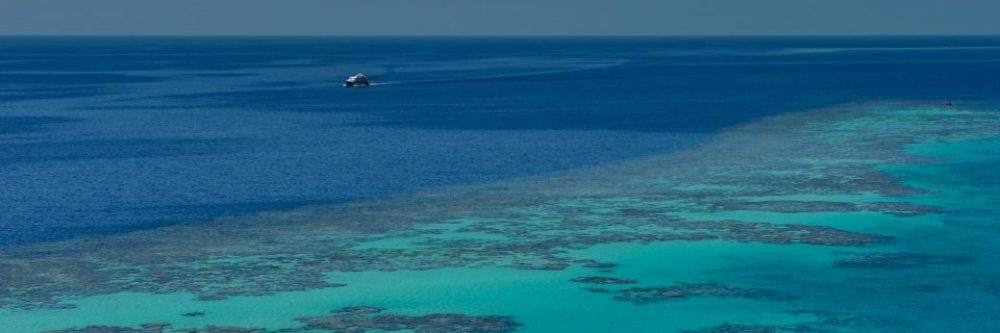
Coral are a Marine organism and they grow in clusters or colonies to form Coral Reefs. They are invertebrates called Polyps and a Reef is made up of hundreds of thousands of individual animals. They are soft bodied but are hard at the centre. Corals like any other organisms they have the 7 characteristics of living which are nutrition, respiration, movement, excretion, growth, reproduction and sensitivity
Nutrition:
Corals eat in a special way as they and algae (zooxanthellae) that live within the Coral use each other to feed. The algae uses sunlight via photosynthesis to make oxygen, glucose,glycerol and amino acids for the Coral. This sugar is like rent so the algae can live in a protected environment and the coral gives it carbon dioxide, water and nutrients.This relationship ensures that almost all available nutrients are used in nutrient poor Tropical waters. Corals feed at night, they collect zooplankton and even small fish with their tentacles, some Corals have stinging cells on their tentacles called Nematocysts to paralyse prey and draw it into their mouths.
Respiration:
Corals use cellular respiration. The Zooxanthellae Algae take up Carbon dioxide, Water and sunlight undergoing Photosynthesis and release into the coral tissues Oxygen and Organic Matter. The Coral uses this to undergo cellular Respiration producing Carbon dioxide, Water and Nutrients which it releases back to the Zooxanthellae Algae.
Movement:
Corals move when they are young in their Larval stage. They move to find a suitable environment. As they mature they settle in a good environment and they grow in size. As they grow older they become more and more immobile and stationary. They adapt to this immobility with the production of tentacles.
Excretion:
After corals use the algae to feed off, the corals release the algae. The algae uses the coral as a home, the coral allows the algae to live within the corals groves and they use each other to feed. the Algae and Waste products are released through the skin and mouth of the Coral.
Growth:
Corals grow like all living things. They extend in size and change shape. As larvae they attach themselves to rocks and they grow while attached to rocks. The larger they grow the more immobile they are.
Reproduction:
Corals reproduce asexually and sexually. The coral when it reaches a certain size Coral Polyps separate and form around the larger coral,this process is continuous and a colony is formed from one coral. This is asexual reproduction.
About 75% of Corals produce male and female gametes which Corals release into the water a process known as broadcast spawning a synchronised event across all reefs probably triggered by temperature and light levels.These unite to form free floating Larvae in the current. They finally settle in a suitable environment and attach themselves to rocks to grow.
Sensitivity:
Corals are very sensitive. Corals need certain conditions to survive and they are sunlight, clear water with a temperature around 20 to 30 degrees celsius, saltwater. These conditions are required for Corals to survive and if any of them were changed slightly diseases and death may occur.
Coral Colour:
The Zooxanthellae Algae within the Coral produce the beautiful Colours seen in many Corals.
Corals respond to the environment like plants although they are animals. This is because the Algae which they are dependent upon need to be able to undertake photosynthesis. Should the colony become stressed by environmental factors or pollution the Corals expel their algae or the algae die. This causes the Coral to lose colour and become white in appearance a process called Bleaching. Prolonged bleaching can lead to Coral death.